Spring buyers in Clarendon Hills start forming opinions in seconds. If your home looks clean, light, and move‑in ready online, you win more clicks and better showings. You want a practical plan that respects older floor plans, highlights outdoor living, and makes the most of a basement or home office. This guide gives you a room‑by‑room staging checklist, a timeline to listing day, and a photo plan built for local buyers. Let’s dive in.
What Clarendon Hills buyers want
Clarendon Hills attracts commuters, families, and professionals who value convenience and neighborhood character. Proximity to the Metra BNSF Line matters, and so do storage, functional layout, and a usable yard. Many homes here have defined rooms rather than open plans, so staging should create flow and purpose in every space.
Buyers look for:
- Move‑in readiness: clean, maintained systems and tidy finishes.
- Clear spaces for work and play: a home office, a rec room, and an inviting patio.
- Storage that shows: organized closets, basement zones, and garage shelving.
- Lifestyle feel: family dining, relaxation in a primary retreat, and outdoor entertaining near parks and community amenities. You can learn more about the area on the Village of Clarendon Hills site.
Staging strategy that fits local homes
Set clear goals
- Maximize curb appeal to boost online clicks and first impressions.
- Create sightlines between rooms to balance compartmentalized layouts.
- Depersonalize while keeping warmth with neutral palettes and curated decor.
- Highlight Clarendon Hills priorities: commuter access, yard use, finished basement or flex space, and storage.
- Show purposeful rooms like a home office, guest suite, or playroom.
Style for common floor plans
- Older homes with smaller rooms: remove oversized pieces, keep colors light and cohesive, and use mirrors to boost light.
- Two‑story homes: stage the kitchen, dining, and family room to show flow and connection to the backyard.
- Ranches and bungalows: emphasize single‑level convenience, daylight, and easy access to patios and decks.
- Finished basements: stage a clear use and show a clean, dry feel.
Room‑by‑room plan for spring
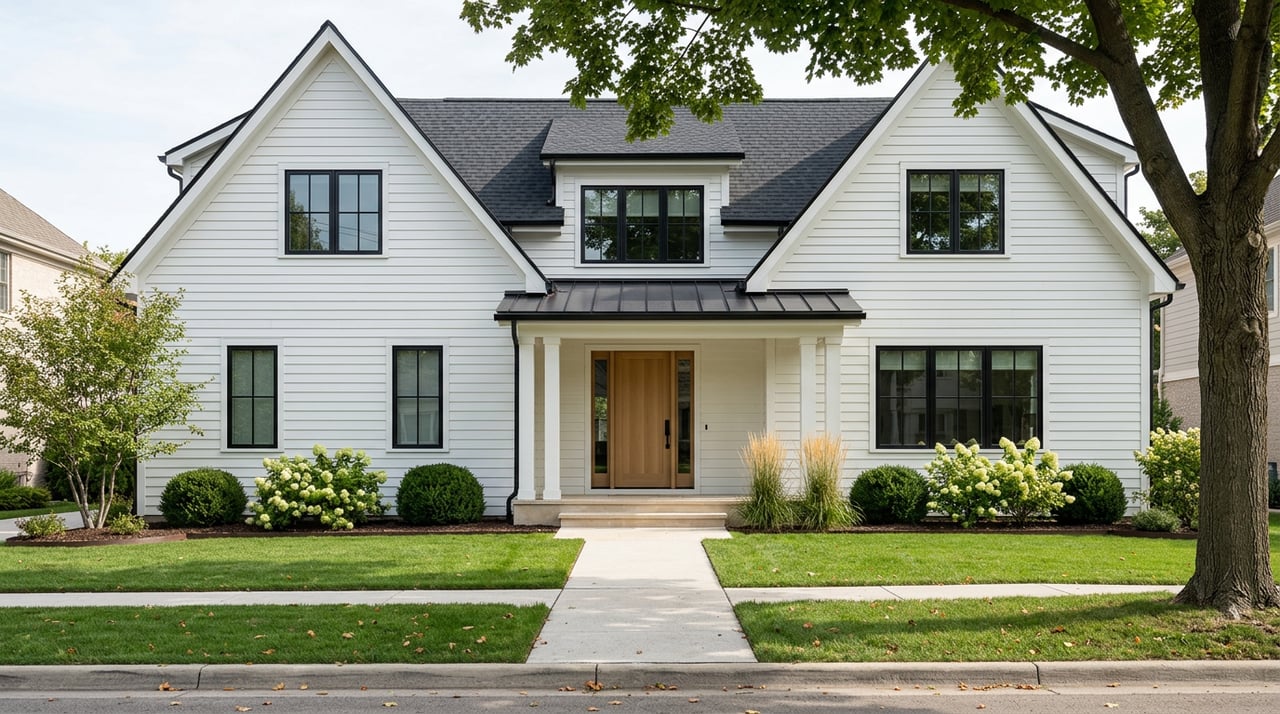
Curb and porch
- Mow and edge, clear winter debris, and add simple spring planters.
- Power‑wash siding, paths, and driveway; clean visible gutters and downspouts.
- Refresh house numbers, mailbox, and lighting; use matching bulb color temperatures.
- Repaint or update a tired front door and hardware. Keep the entry uncluttered with a clean mat and, if space allows, two chairs.
Why it works: Strong curb appeal draws more online clicks and sets a positive tone at showings.
Foyer
- Keep it bright and open. Remove shoes and bulky coat racks.
- Use a narrow console, mirror, and small plant or tray.
- Add a runner to define the path and ensure clear sightlines to main rooms and stairs.
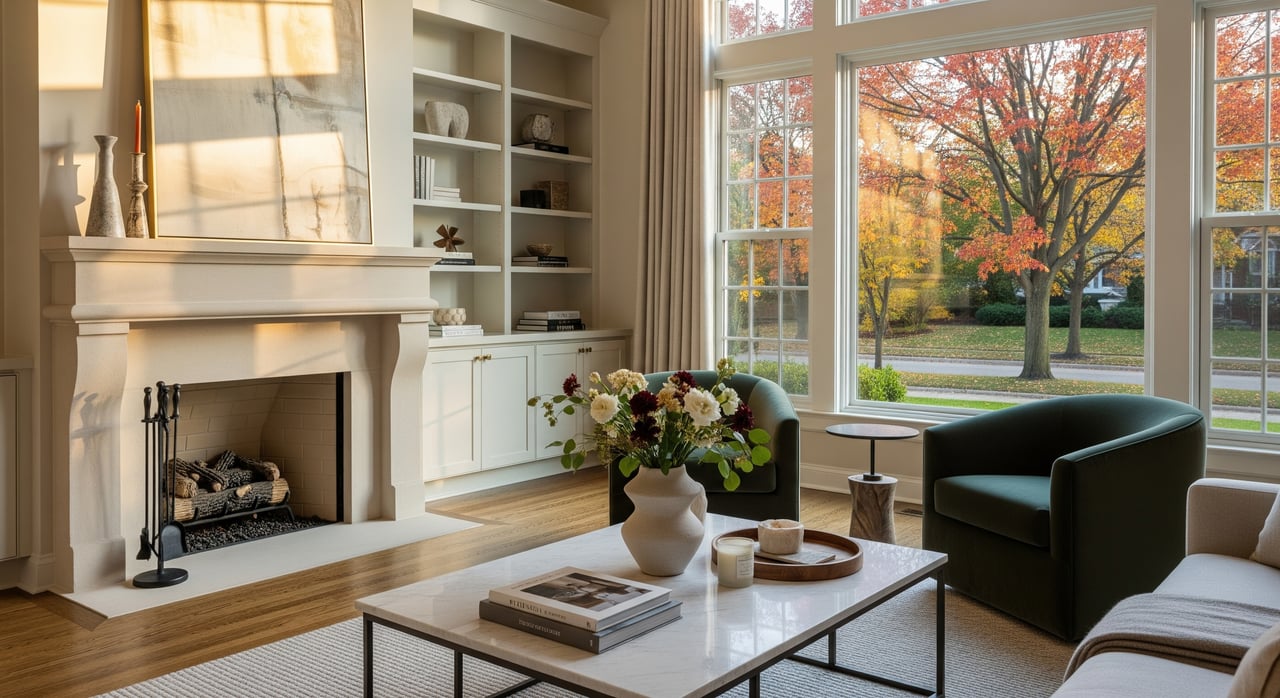
Living or family room
Arrange seating for conversation and remove extra or oversized furniture.
Hide cords and remotes and limit decor on the mantle or media unit.
Use neutral textiles with one or two accent colors and layered lighting.
Open interior doors during showings to show flow through defined rooms.
Kitchen
- Clear countertops. Keep only a bowl of fruit or a single vase.
- Deep clean appliances, backsplash, and grout; polish hardware and faucets.
- Consider swapping dated cabinet pulls or pendant lights for simple, modern options.
- If space allows, stage a bistro or breakfast nook to show eating flow.
- Organize the pantry and leave one shelf partially empty to signal capacity.
If the kitchen is older, focus on spotless surfaces and functional readiness rather than chasing a trendy look.
Dining room
- Set a simple table with placemats and one modest centerpiece.
- Maintain a clear path from kitchen to table and remove extra chairs.
- Use a runner or one calm art piece to add warmth without clutter.
Primary bedroom
- Create a restful retreat with neutral layered bedding and two matching lamps.
- Clear nightstands and keep wall art minimal and serene.
- Declutter closet space. Remove about half of the clothing and use uniform hangers.
- Keep the en suite clean with crisp towels and a small plant to suggest a spa feel.
Secondary bedrooms
- Stage one room as a home office with a desk, a tidy chair, and good task lighting.
- Keep other bedrooms simple as a guest room or child’s room with minimal theme decor.
- Store toys and collections out of sight and show intentional closet organization.
Bathrooms
- Replace stained caulk and grout; address any mold or moisture marks.
- Clear counters and stage with folded towels and a simple soap dispenser.
- Swap a tired shower curtain for a new neutral one and polish mirrors and fixtures.
- Fix drips and loose handles before you list.
Basement or lower level
- If finished, define zones for a media area, play space, gym, or guest nook.
- Use area rugs and lighting to carve out uses and show a clean, dry environment.
- If unfinished, organize boxes, clear utility areas, and tidy storage.
- If a sump pump or dehumidifier is present, keep it clean and visible to indicate maintenance.
Garage and storage
- Declutter and create storage zones with shelving, hooks, and labeled bins.
- Hang bikes and tools neatly and sweep or power‑wash the floor.
- Show that a car parks easily with room for storage.
Outdoor living
- Stage a simple seating area with an outdoor rug and a few cushions.
- Mow, edge, prune shrubs, and refresh mulch for a spring look.
- Clean and secure deck railings; if refinishing is not possible, ensure a clean surface.
- In smaller yards, create two zones, such as seating plus a compact garden.
Declutter and depersonalize checklist
- Pack personal photos, trophies, and collections.
- Clear flat surfaces; keep one shelf per bookcase styled with a few items.
- Neutralize strong paint colors where feasible. A quick coat of light paint can lift a room.
- Remove odors through deep cleaning and carpet or upholstery refreshes. Avoid strong fragrances during showings.
Photos and marketing that convert
Professional visuals are your first showing. Industry reports indicate that high‑quality photos and virtual tours increase online engagement and can shorten days on market. For an overview, see NAR research on staging.
Photo and asset checklist:
- Interior: wide‑angle shots of each main space, hero images of the living room and kitchen, primary bedroom, a staged home office, and the basement rec room if finished.
- Exterior: best‑angle curb shot, front porch detail, backyard and patio, garage or shed, and a lot overview.
- Specialty: twilight exterior if curb appeal and lighting shine, a floor plan image, a 3D tour, and a neighborhood map that highlights transit and parks.
Pre‑shoot checklist:
- Remove cars from the driveway and open all blinds.
- Close toilet lids and hide small trash cans and refrigerator magnets.
- Conceal cords, pet bowls, and personal items.
- Turn on every light and use consistent bulb temperatures.
Virtual staging can help a vacant home. Disclose virtual staging in remarks and keep proportions accurate so buyers trust what they see.
Timeline and budget for a spring listing
3 to 4 weeks before listing:
- Book a staging consultation and create a punch list.
- Deep clean, touch up paint, and complete safety repairs.
- Start decluttering and pack 3 to 6 boxes for off‑site storage.
1 to 2 weeks before photos:
- Finalize staging, refresh landscaping, and tidy garage and basement.
- Schedule professional photography for a bright day and plan for a twilight slot if needed.
- Coordinate quiet time for photos if you have kids or pets.
On market:
- Maintain the staged look and keep a go‑bag for showings.
- Have a plan for quick pickup of personal items.
Budget approach:
- Consultation only: advice and a prioritized to‑do list you can execute.
- Partial staging: main living areas and the primary suite, with accessories and limited furniture.
- Full staging: entire home and exterior for maximum impact.
Industry data shows staging often improves buyer perception and can reduce days on market, but results vary by price band, competition, and execution. For context, review NAR research on staging and compare with fresh local stats.
Local data and disclosures
If you want current pricing, inventory, or days on market in Clarendon Hills, reference MLS data through MRED and county resources. Verify school boundaries with official district maps for your address. If your property is in an area with exterior or architectural guidelines, confirm any restrictions before making changes.
Honest marketing builds trust. Disclose known material facts about condition and systems as required by Illinois law. If you use virtual staging, label it in the listing remarks.
Ready to list with confidence
Thoughtful staging turns defined rooms into a connected, welcoming home that today’s Clarendon Hills buyers can picture living in. With a clear plan, professional photos, and smart marketing, you set your listing up to stand out the moment it hits the screen.
If you want a tailored plan, premium photography, and concierge‑level listing marketing, reach out to Natalie Weber. Get a local, data‑driven strategy that showcases your home at its best.
FAQs
What paint colors work best for Clarendon Hills listings?
- Light, neutral tones like soft white, greige, or pale beige keep rooms bright and cohesive, which helps older floor plans feel larger and more connected.
How far ahead should I start staging before spring listing day?
- Begin 3 to 4 weeks out with cleaning, minor repairs, and decluttering, then stage and shoot professional photos 1 to 2 weeks before you go live.
Should I virtually stage an empty home?
- Yes, if used honestly. Disclose virtual staging and keep proportions realistic so buyers trust the listing and can visualize scale.
Which listing photos matter most to online buyers?
- Hero shots of the living room and kitchen, a bright primary bedroom, a staged home office, backyard or patio, and a strong curb shot help drive clicks and showings.
How do I show a home office without losing a bedroom?
- Stage one secondary bedroom as an office with minimal furnishings and clear closet space so buyers see flexibility without losing the room’s primary function.
What local features should I highlight for Clarendon Hills?
- Emphasize commuter access to the Metra BNSF Line, nearby parks and community amenities, outdoor living potential, and any finished basement or storage advantages.