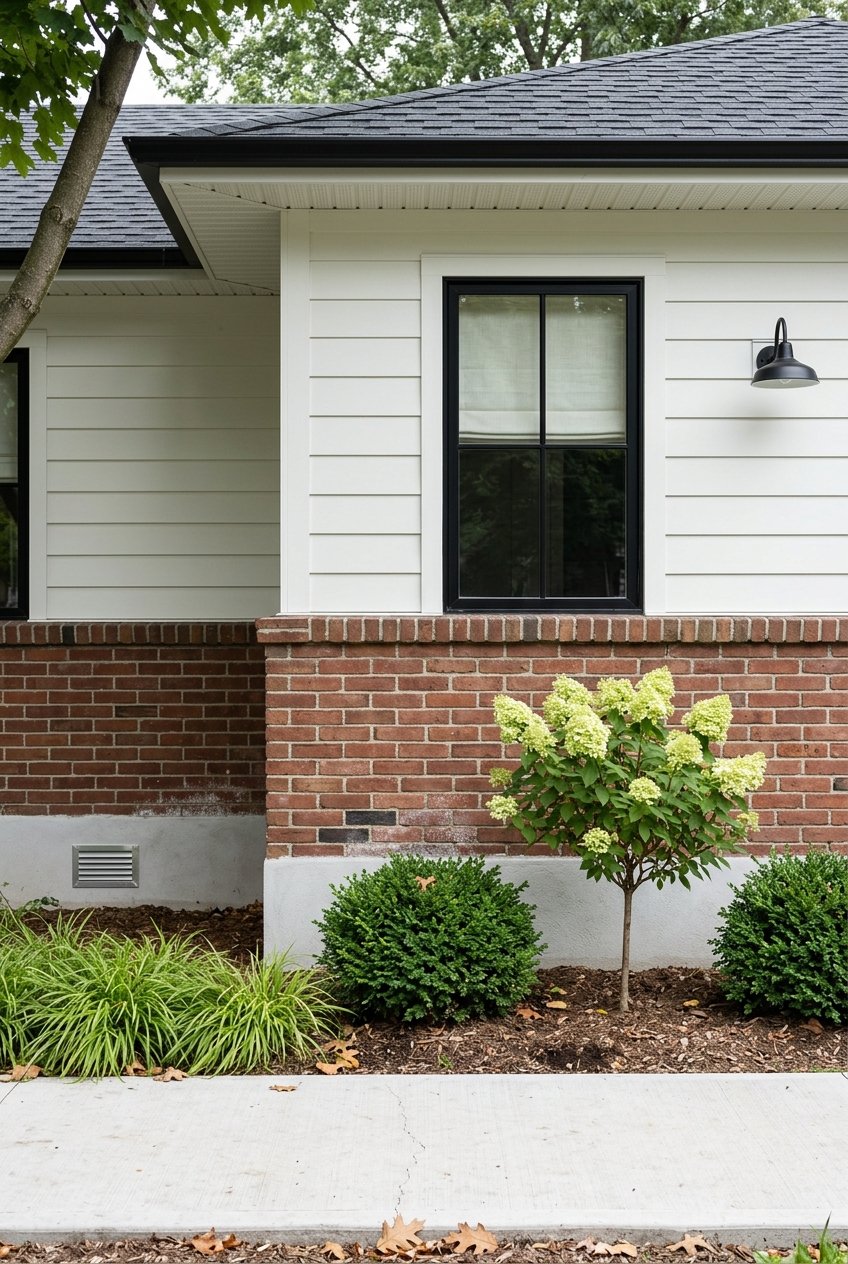
Wondering whether that charming old Elmhurst house is a smart renovation opportunity or a money pit in disguise? You are not alone. Buying a vintage home can be exciting, especially in a built-out suburb with so much architectural character, but it also takes careful planning. If you want to balance charm, budget, and long-term value, this guide will help you know what to look for before you buy. Let’s dive in.
What Counts as a Vintage Home in Elmhurst?
Elmhurst has a wide mix of housing styles and ages, especially in older areas around downtown. The city’s planning documents describe a mature community with homes that reflect many eras, styles, and architectural details.
In practical terms, “vintage” in Elmhurst often means a home built from the late 1800s through the mid-1900s. You may come across Colonial Revival, Tudor Revival, and Craftsman homes most often, along with Prairie, Queen Anne, Shingle, and other period styles.
Because many of these homes have been updated over time, you should not expect a perfect time capsule. It is more common to find a mix of original details, later additions, and partial renovations done in different decades.
Common Vintage Styles You May See
If you are touring older homes in Elmhurst, a few patterns tend to stand out:
- Late 1800s to early 1900s: Queen Anne, Shingle, and gable-front vernacular homes, often with more complex rooflines and restoration needs.
- Early 1900s to 1920s: Craftsman and Prairie-influenced homes with porches, lower rooflines, exposed rafters, and original woodwork.
- 1920s to 1950s: Colonial Revival and Tudor Revival homes with brick exteriors, steep gables, chimneys, and multi-pane windows.
- Postwar era: Split-level, bi-level, and minimal traditional homes that may have simpler exteriors but still need major system updates.
That variety is part of Elmhurst’s appeal. It also means your renovation plan should match the age, style, and condition of the specific house, not just the listing photos.
Why Buyers Love Renovating in Elmhurst
Vintage Elmhurst homes can offer details that are hard to replicate in newer construction. You may find original millwork, masonry, porches, mature lots, and architecture that gives a home a strong sense of presence.
At the same time, older homes often need work behind the walls. A home can look move-in ready on the surface and still need electrical, plumbing, insulation, HVAC, or moisture-related upgrades. That is why a renovation purchase works best when you go in with a clear plan and realistic expectations.
For buyers who want character plus the ability to customize, Elmhurst can be a strong fit. The key is knowing how to separate cosmetic projects from structural or code-related costs.
What to Inspect Before You Buy
When you are evaluating a vintage home to renovate, the biggest risks are often not the finishes you can see. The real budget drivers are usually health concerns, building systems, and water management.
Lead Paint and Asbestos Risks
If the home was built before 1978, lead-based paint is a serious consideration. Renovation work like sanding, cutting, and window replacement can create hazardous dust, so renovation plans should account for lead-safe practices and qualified contractors.
Older homes may also contain asbestos in certain materials. That does not always create a problem if materials are intact, but planned renovation work can disturb them. If there is any sign of damaged material or demolition ahead, trained asbestos professionals should be part of your planning.
Radon Testing Matters in Illinois
Radon is an important issue in Illinois, especially in central and northern parts of the state. The Illinois Department of Public Health says the only way to know a home’s radon level is to test it.
IDPH recommends keeping levels below 4.0 pCi/L, and it reports that 41% of tested homes in Illinois were above that level. The department also notes that mitigation systems commonly cost about $800 to $1,200. Illinois law requires buyers to receive information about indoor radon exposure and any available test results, but testing and mitigation are not required.
Hidden System Costs
In many vintage homes, the expensive work is not the kitchen tile or paint color. It is the electrical service, old plumbing, HVAC updates, insulation, and air sealing.
For older houses, retrofit strategies often include drill-and-fill insulation and air sealing. If you are already planning to replace siding, that can also be the easiest time to improve exterior insulation.
Basement Moisture and Sewer Backup
In Elmhurst, basement moisture deserves close attention. The city has an overhead sewer program that offers 50% reimbursement of eligible costs up to $5,000, which tells you flooding and sewer backup protection are real planning issues for homeowners.
Elmhurst also offers a separate stormwater management incentive program with reimbursement up to $5,000. During showings and inspections, ask specifically about seepage, sump pumps, battery backups, and any history of sewer backup.
Elmhurst Permit Rules Can Shape Your Budget
Before you price out a renovation, it helps to understand that permit requirements can affect both cost and timing. Elmhurst’s building code requires permits before work begins for a wide range of projects, including additions, accessory structures, fences, retaining walls, sidewalks, driveways, pools, awnings, signs, and other items on the city fee schedule.
For single-family homes and townhomes, building permits expire one year after issuance. Some minor repair or replacement work is exempt, and re-roofing is exempt for single-family homes and townhomes if it is completed by a state-licensed roofing contractor.
Expect a Digital Permit Process
Elmhurst directs residents, businesses, and contractors to use its Citizen Self-Service Portal for permit applications, document uploads, inspections, and status tracking. If you are buying with renovation in mind, assume the process will involve online submissions and scheduling.
That matters because timeline delays are not just about contractor availability. Plans, reviews, revisions, and inspections can all add time before the work is actually done.
Plan Review and Scope Creep
Elmhurst states that permit drawings must be signed and sealed by the design professional who prepared them. The city also notes that even withdrawn projects can trigger a plan review fee of at least $600.
There is another budget issue buyers should know: if the area or scope of work exceeds 50% of the building area, the entire building must comply with current Fire and Life Safety and Building Code requirements. That kind of threshold can change the economics of a renovation very quickly.
Historic Review May Affect Exterior Plans
Elmhurst has a Historic Preservation chapter and a Historic Preservation Commission. For buyers, that means it is smart to verify whether a property is designated or likely to face review before finalizing plans for exterior changes, additions, or façade work.
This is especially important in older parts of Elmhurst, where compatibility, setbacks, and lot coverage have long been part of how redevelopment is managed. If you love a home for its curb appeal, make sure your renovation goals align with what may be allowed.
How to Budget Realistically
A smart renovation budget needs more than contractor bids. Older homes are more likely to reveal hidden issues once walls, floors, or roofs are opened.
A useful benchmark for rehabilitation projects is a contingency reserve in the 10% to 20% range, depending on condition and scope. For a vintage Elmhurst home, that reserve can help protect you from the surprise costs that often come with older structures.
Costs to Build Into Your Plan
Before you move forward, your budget should account for:
- Purchase price
- Inspection and specialty testing
- Permit and plan review costs
- Design professional fees
- System upgrades like electrical, plumbing, and HVAC
- Insulation and air sealing improvements
- Basement moisture or sewer-backup protection
- Lead-safe or asbestos-related work if needed
- A contingency reserve for hidden conditions
If you skip these line items early, a “good deal” can stop looking like one once construction starts.
A Smart Showing Checklist for Elmhurst Buyers
When you walk through a vintage home, try to look past staging and surface finishes. Focus on the features that will affect your renovation budget and timeline.
Questions to Ask During Showings
- What year was the home built?
- When were the major updates completed?
- Were permits pulled for additions, electrical, roof, or plumbing work?
- Have there been any basement seepage or sewer-backup issues?
- Is there a sump pump or battery backup?
- Have radon tests been done, and are results available?
Features to Study Closely
- Roof complexity
- Porch condition
- Window condition
- Room layout and flow
- Signs of later additions
- Whether additions look structurally and visually integrated
These details matter because older Elmhurst homes range from architecturally distinctive period houses to simpler postwar properties. Renovation costs and difficulty can vary a lot from one home to the next.
How to Vet Contractors Before Work Starts
Once you find the right house, your contractor choices matter almost as much as the property itself. A careful vetting process can help you avoid delays, bad workmanship, and unnecessary risk.
A few smart steps include:
- Get multiple written estimates
- Verify license and insurance
- Avoid paying the full amount up front
- Be cautious if a contractor asks you to pull permits yourself
Good renovation projects usually start with clear scopes, realistic pricing, and experienced professionals who understand the permit process.
The Bottom Line on Buying a Vintage Elmhurst Home
Buying a vintage Elmhurst home to renovate can be a great opportunity if you love character and are prepared for the realities of older housing stock. The homes can be full of style and long-term potential, but the best outcomes usually come from careful inspections, thoughtful budgeting, and a clear understanding of local permits and review processes.
If you want a steady hand while you evaluate renovation potential, resale impact, and the true cost behind the charm, working with someone who understands both homes and construction can make a big difference. When you are ready to talk through Elmhurst opportunities, connect with Natalie Weber.
FAQs
What does a vintage home usually mean in Elmhurst?
- In Elmhurst, a vintage home often means a house built from the late 1800s through the mid-1900s, with styles such as Colonial Revival, Tudor Revival, Craftsman, Prairie, Queen Anne, and Shingle.
What should buyers inspect first in an older Elmhurst home?
- Buyers should pay close attention to lead paint risk, possible asbestos, radon, electrical and plumbing systems, HVAC, insulation, basement moisture, and sewer-backup concerns.
Do Elmhurst renovation projects usually require permits?
- Yes, Elmhurst requires permits before many types of work begin, including additions and a wide range of exterior and structural improvements, though some minor repair work may be exempt.
Can historic review affect an Elmhurst renovation plan?
- Yes, Elmhurst has a Historic Preservation Commission and related rules, so buyers should confirm whether a property is designated or likely to face review before planning exterior changes or additions.
How much contingency should buyers budget for a vintage home renovation?
- A common benchmark for older-home rehabilitation is a contingency reserve of 10% to 20%, depending on the property’s condition and the scope of work.
Is radon a real concern when buying an Elmhurst home?
- Yes, radon is a real issue in Illinois, and the Illinois Department of Public Health says the only way to know a home’s radon level is to test it.